Ultimate Basic Dog Training Hacks for Pups!
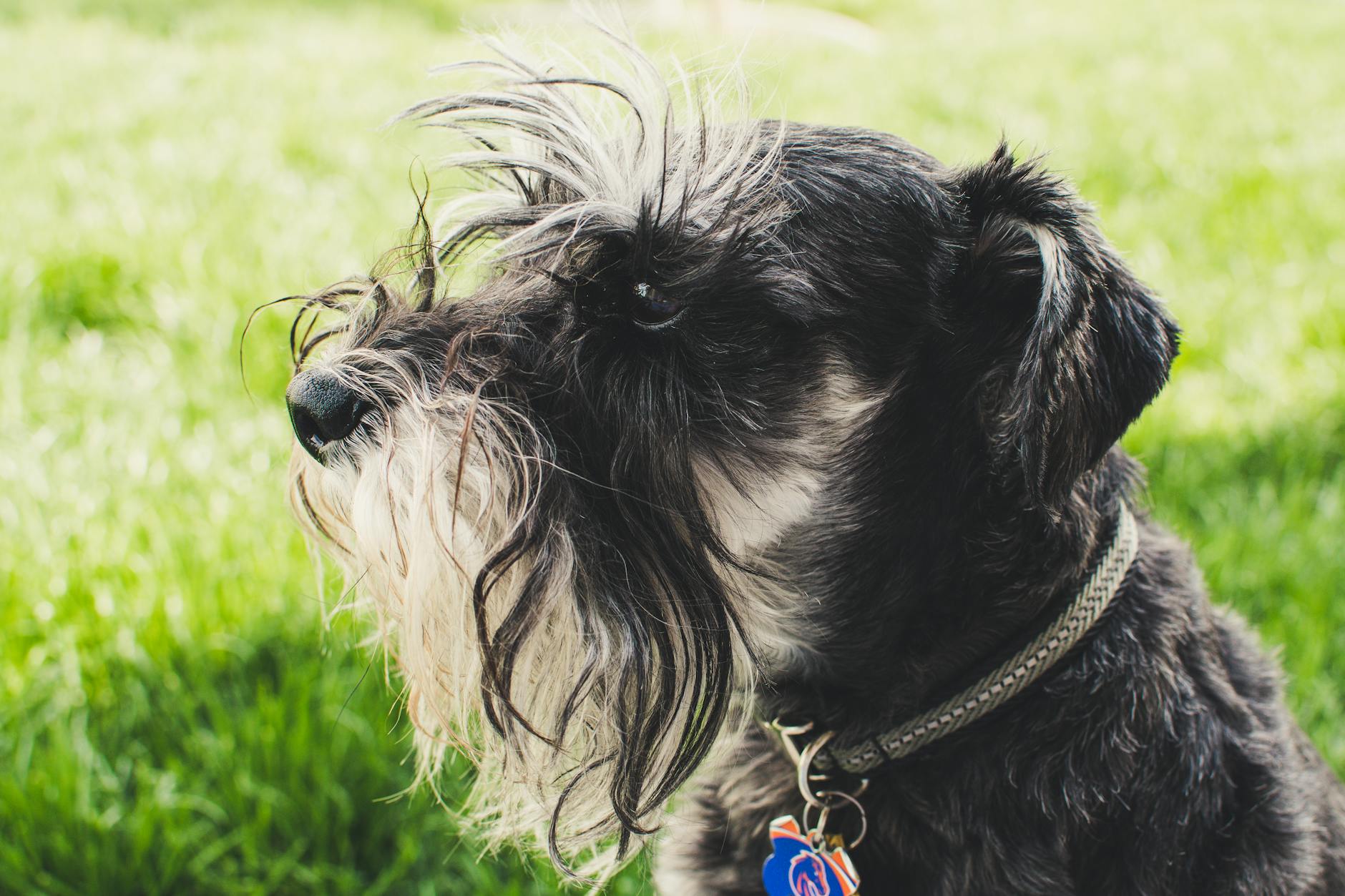
Bringing a new puppy into your home is an exciting experience, but it also comes with the challenge of teaching your new furry friend how to behave properly. Dog training is crucial for a harmonious relationship between you and your pet, and starting early can make the process easier. Here, we'll reveal some effective training tips designed to set your puppy on the right path to becoming a well-mannered companion.
Understanding Puppy Behavior
Before diving into training hacks, it's essential to understand how puppies learn. Puppies, like their wild ancestors, learn from their environment and experiences. Training should be based on positive reinforcement, which means rewarding behaviors you want to encourage and ignoring or redirecting behaviors you don't.
Consistency is Key
The most important aspect of training your puppy is consistency. Ensure that everyone in the household understands and follows the same training cues and rules. Consistency helps your puppy learn more quickly and prevents confusion.
Start with Basic Commands
Begin by teaching basic commands such as "sit," "stay," "come," and "down." These foundational commands not only teach obedience but also can keep your puppy safe in potentially dangerous situations.
-
Sit: Hold a treat close to your puppy's nose and slowly lift it over their head. As their head goes up to follow the treat, their bottom should naturally sit. Once they're sitting, say "sit," give them the treat, and offer praise.
-
Stay: Ask your pup to sit, then open your palm in front of you, say "stay," and take a few steps back. If they stay put, reward them with a treat and praise. Gradually increase the distance and duration.
-
Come: Practice in a secure area. Squat down, open your arms wide, and say "come" in a cheerful tone. When your puppy comes to you, reward them with praise and a treat.
-
Down: With your puppy in a sitting position, hold a treat in front of them and slowly lower it to the ground. As their head follows the treat down, their body should follow into a lying position. Once they're down, say "down," give them the treat, and praise them.
Socialization
Socialization is introducing your puppy to a variety of environments, people, and other animals. Proper socialization can reduce fear and aggression and help your puppy become a confident adult dog.
-
Start early: Between 3 to 12 weeks of age is the prime socialization period for puppies.
-
Take it slow: Expose your puppy to new situations gradually and positively.
-
Positive experiences: Ensure every new interaction is pleasant and non-threatening.
Crate Training
Crate training can be an effective way to housebreak your puppy and give them a safe place to relax.
-
Choose the right size: The crate should be large enough for your puppy to stand, turn around, and lie down comfortably.
-
Make it comfortable: Place a soft bed inside and provide toys to make the crate an appealing spot.
-
Gradual introduction: Start by placing your puppy in the crate for short periods while you're home, and slowly increase the time as they become more comfortable.
Reinforcing Good Behavior
Always reinforce good behavior with rewards such as treats, praise, or playtime. Positive reinforcement encourages your puppy to repeat the desired behavior.
Patience and Understanding
Training a puppy requires patience. There will be setbacks and mistakes, but with consistent and compassionate training, your puppy will learn.
Conclusion
Dog training is an ongoing process that requires time, patience, and consistency. With these ultimate basic dog training hacks, you can start your puppy's obedience journey on the right foot. Remember that every puppy is unique, and what works for one may not work for another. Stay patient, maintain a positive attitude, and enjoy the rewarding experience of raising a well-trained and happy dog.